Ceremonial · daily driver
The everyday workhorse: smooth and sweet with a rounder finish, brilliantly green, steady straight or in a flat white.
Japanese matcha has doubled in price, and lead times now run past six months. Nine Peaks gets ceremonial-grade matcha to American cafes on a schedule you can count on, and well below Japanese ceremonial wholesale.
Nine Peaks is the dependable, ceremonial-grade alternative for cafes that can’t afford to run out.
Every Nine Peaks grade is ceremonial: stone-milled, deep green, low in bitterness, and steady whether you pour it straight or in a latte. From everyday service to grand reserve.
Single-cultivar Yabukita · 100% first-harvest spring leaf
The everyday workhorse: smooth and sweet with a rounder finish, brilliantly green, steady straight or in a flat white.
Deeper umami and a silkier body, made for matcha-forward menus and straight service.
The finest we stock. Dense sweetness, saturated color, and a long, clean finish to anchor a menu.
Per-kilo pricing and volume breaks live on the line card. Request it →
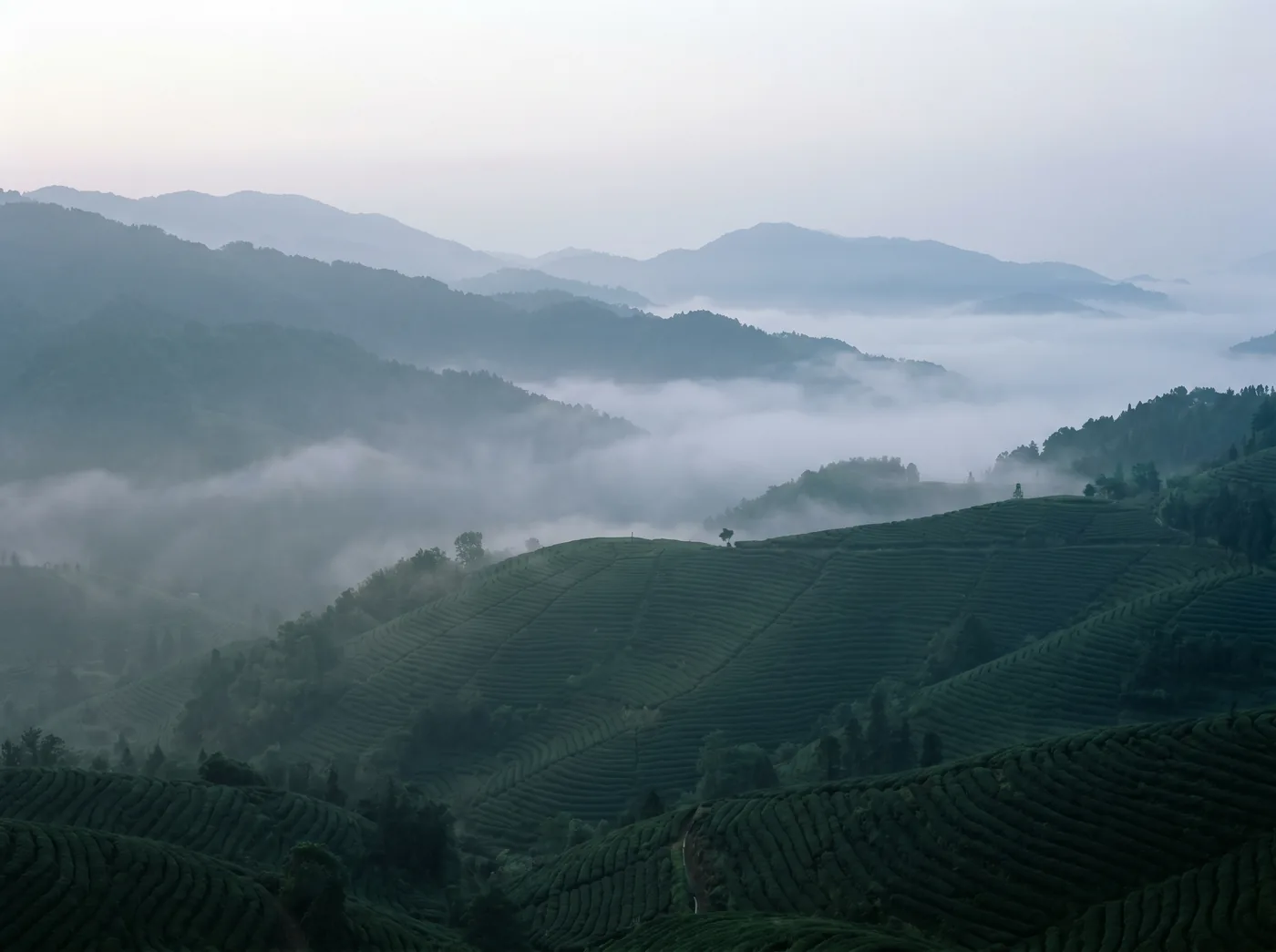
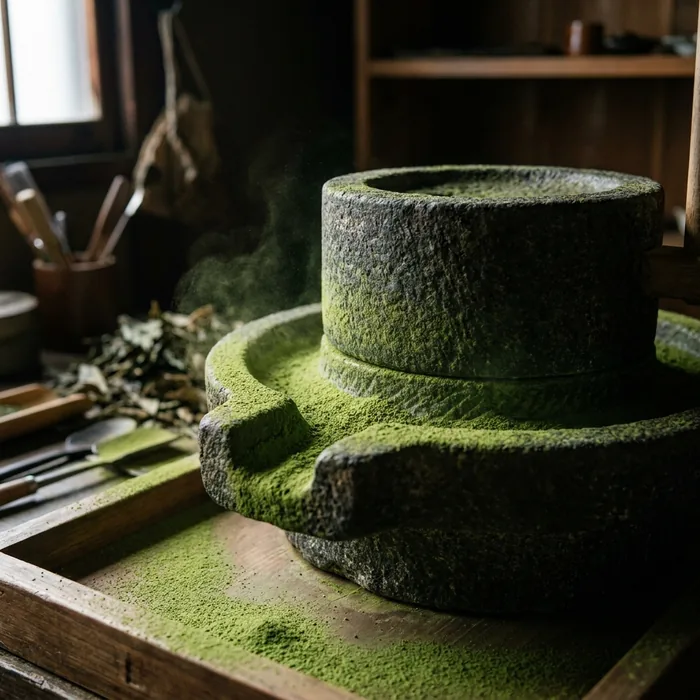
Grown from 100% Yabukita, the benchmark Japanese matcha cultivar, and made entirely from first-harvest spring leaf, when the plant’s L-theanine runs highest. Shade-grown for the last 20–25 days before picking, then stone-milled in small batches. What lands on your bar is fresh, green, and ready to pour.
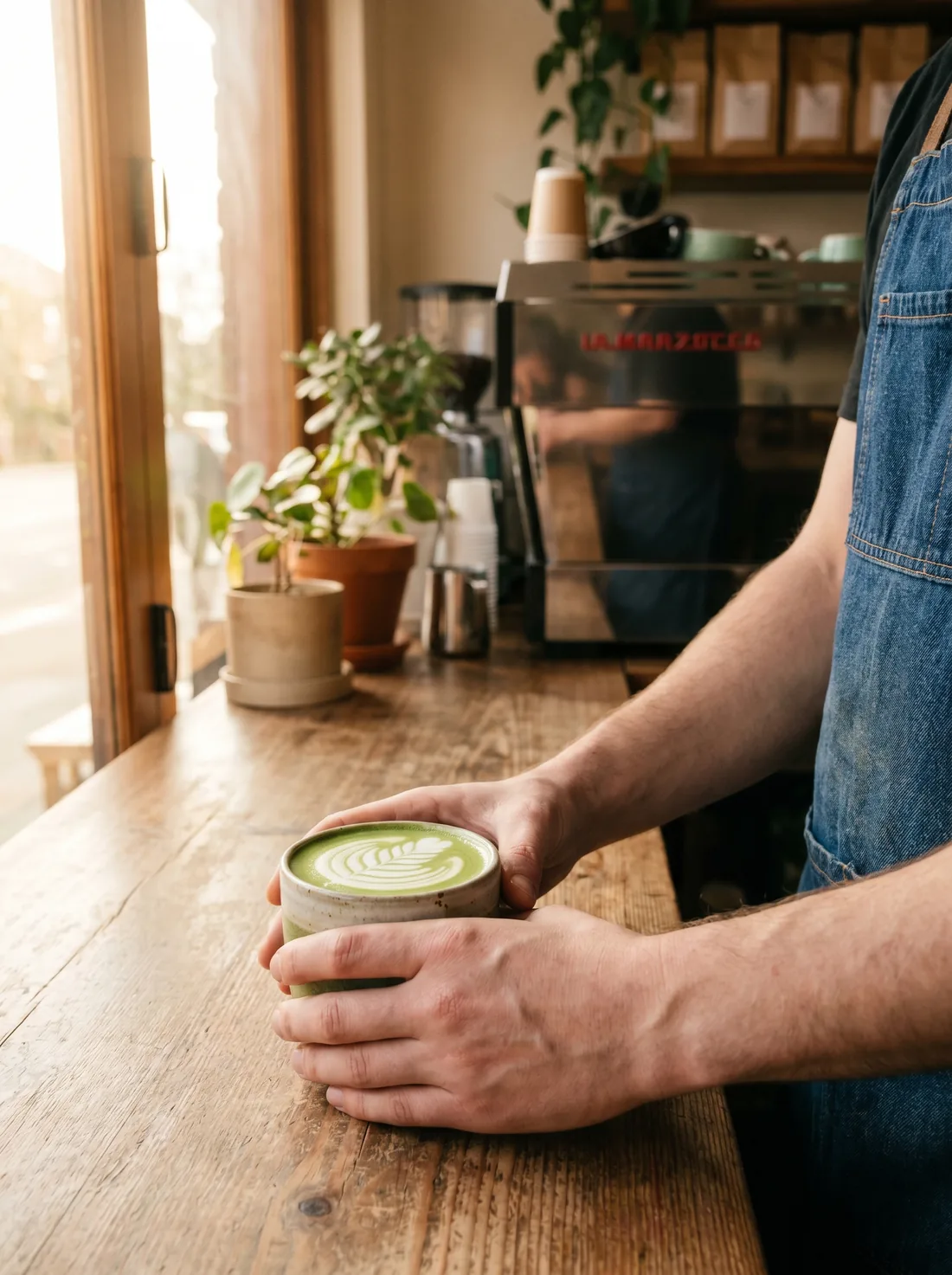
Bright green that holds in steamed milk and over ice. Drinks that photograph as well as they taste.
Every grade is 100% Yabukita, the benchmark Japanese matcha cultivar, and made entirely from first-harvest spring leaf, when L-theanine runs highest for a smoother, sweeter, less bitter cup.
Low bitterness, clean finish. It works with oat or dairy and never turns vegetal.
Consistent availability, grade to grade. No six-month waits.
Ceremonial grade, priced under Japanese ceremonial wholesale. A cafe going through 5 kg a month of 6A can save more than $7,000 a year.
Before we asked a single cafe to switch, our own team put Nine Peaks up against the Japanese ceremonial we’d been buying. Tasted blind, all five of us picked Nine Peaks, for color, smoothness, and how it held in milk.
Nine Peaks comes from a team that has spent years building food, beverage, and restaurant businesses, including the cafes and restaurants we run today. We know the bar from behind it. The margins, the morning rush, and that sinking feeling when a supplier lets you down.
This started with a problem we were living. Japanese ceremonial matcha kept climbing in price, lead times stretched past six months, and reliable cafe-grade supply got harder to count on. That hits everything: your menu, your drink consistency, the customer waiting at the counter.
So we did what we’d do for our own bars. We found ceremonial-grade matcha made for real cafe use, with good color, a smooth taste, and strength in milk, then tasted it blind against the Japanese ceremonial we’d been buying. All five of us preferred it. After that we built everything an operator actually needs around it: dependable supply and pricing that makes sense at wholesale.
We’re not a trading company that stumbled into matcha. We’re cafe people who got tired of the alternative, and we built something better for our own bars first.
Three ceremonial grades, landed and ready to pour. All of it priced below Japanese ceremonial wholesale, which now runs $250–400/kg before you even start the six-month wait.
Per-kilo pricing and volume breaks are shared on the line card. Request it here
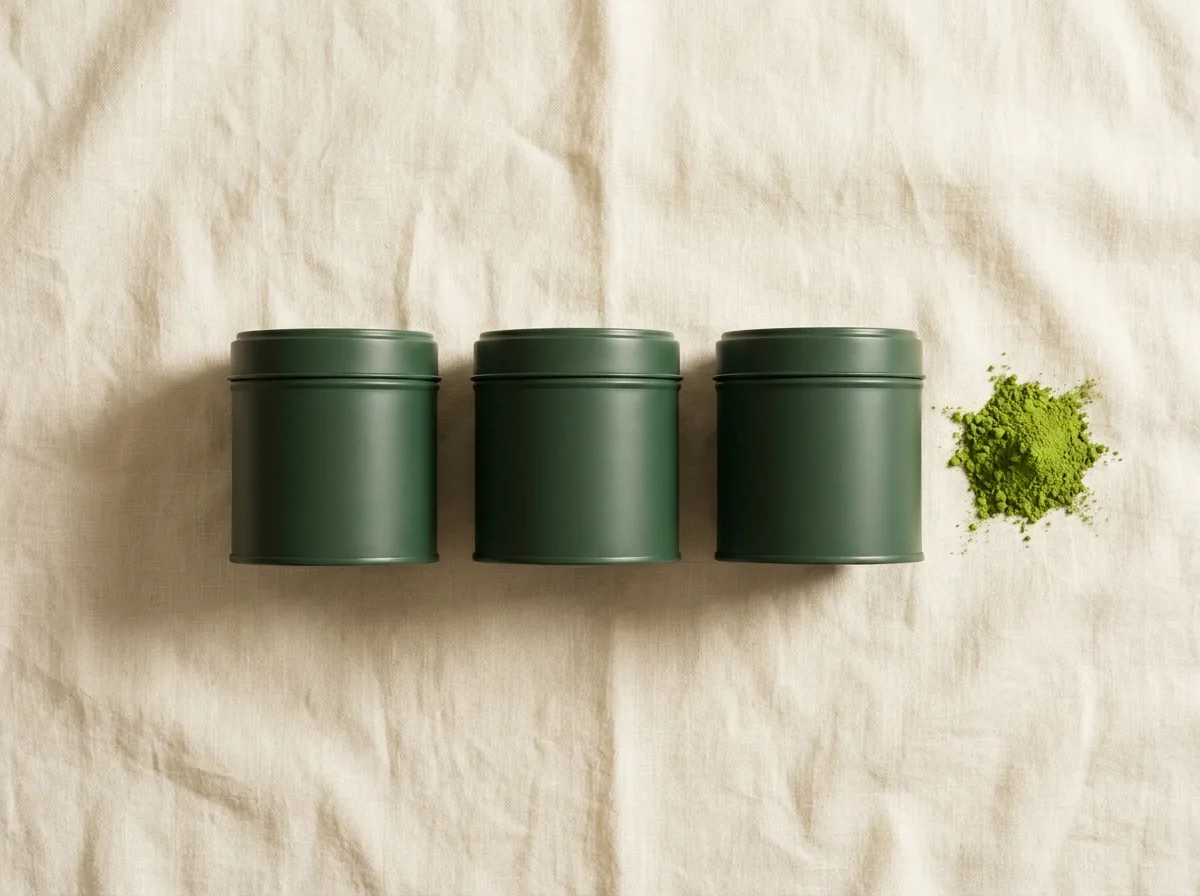
We’ll send a sample kit of our three ceremonial grades so your team can dial in color, taste, and milk performance on your own bar before committing to a single kilo.
Yes. All three are ceremonial: shade-grown, stone-milled, deep green, and low in bitterness. 6A is the everyday daily driver, 7A the reserve for matcha-forward menus, and 8A the grand reserve. The grades differ in delicacy, not in class.
From select high-mountain gardens. Every grade is single-cultivar Yabukita, the benchmark Japanese matcha varietal, made entirely from first-harvest spring leaf. The tea is shade-grown, picked at altitude, and stone-milled in small batches. What lands on your bar is fresh, green, and ready to pour.
All three grades are single-cultivar Yabukita, the varietal behind most of Japan’s matcha and prized for a clean, balanced, umami-forward cup. Every grade is made entirely from first-harvest (spring) leaf. First-flush leaf carries the season’s highest L-theanine, the amino acid behind matcha’s smooth, naturally sweet, low-bitterness character.
Wholesale orders land in weeks, next to the roughly six-month waits now common on Japanese matcha. Sample kits ship from California and arrive in 3–5 days.
Per-kilo pricing and volume breaks live on the line card. Ask for it through the inquiry form. Every grade is priced below Japanese ceremonial wholesale, which now runs about $250–400 per kilo.
Yes. The sample kit is $25 with US shipping included, and it brings all three ceremonial grades at 20 g each, so your team can dial in color, taste, and milk performance on your own bar. The $25 comes off your first order.
It is made for milk. Bright green that holds in steamed milk and over ice, low bitterness, and a clean finish that works with oat or dairy without going vegetal.
Before we asked anyone to switch, our own cafe team tasted Nine Peaks blind against the Japanese ceremonial we were buying. All five preferred Nine Peaks. Here’s what three of them said.
“I tasted it against the Japanese matcha we’d been buying and picked this one right away. Brighter green, smoother, way less of that dry bitterness on the finish. Honestly, I figured I’d like the Japanese better.”
“The real test for me is milk, and that’s where it won. It stayed green in a latte instead of going dull and grassy, and the flavor actually held up. For cafe service, that’s what matters.”
“Side by side with the Japanese matcha we’d been paying a premium for, ours held up just as well or better. And on price, it isn’t close. The quality got my attention. The reliable supply is what would actually make me switch.”
Tell us a bit about your bar and we’ll send samples and the full line card, usually within one business day.
Prefer email? hello@ninepeaksmatcha.com